The Silent Rebellion: Why the Physical Book Refuses to Die
In 2011, the prevailing narrative of digital futurists was unambiguous: within a decade, physical books would join vinyl records and cassette tapes as niche collector curiosities. E-readers offered infinite shelf space in a four-ounce rectangle. Algorithms promised effortless reading queues.
Yet today, something extraordinary has happened. Physical book sales are surging across every demographic, led not by older traditionalists, but by Gen Z and millennial readers who spend eight hours a day in front of glowing monitors.
1. The Psychology of Tactile Weight
Reading is not merely an intellectual transaction; it is a sensory choreography. The resistance of 80gsm uncoated cream paper, the distinct aroma of lignified wood pulp, and the subtle shift in gravity as your left hand grows heavier while your right hand grows lighter—these are neurological anchors.
"A screen demands your reaction. A book demands your surrender."
Cognitive psychologists at the University of Stavanger observed that readers comprehend complex long-form narrative arcs significantly better on paper than on illuminated screens. On a screen, the text feels transient, existing in an ethereal plane where any sentence could easily be an Instagram notification. On paper, words are physically carved onto the page. They hold spatial permanence.
2. The Architecture of Slow Consumption
We live in an attention economy designed for fragmentation. Social media feeds operate on variable reward schedules, conditioning our dopamine pathways to seek the next dopamine hit every eleven seconds.
Against this frenetic backdrop, opening a 450-page novel is an act of quiet resistance:
- Zero hyperlinked distractions: There is no blue text inviting you down an algorithmic rabbit hole.
- Spatial memory: You remember where a revelation occurred—top left corner, halfway through the volume.
- Intentional sanctuary: Closing a book provides a definitive psychological threshold that swiping home simply cannot match.
3. The Book as an Aesthetic Artifact
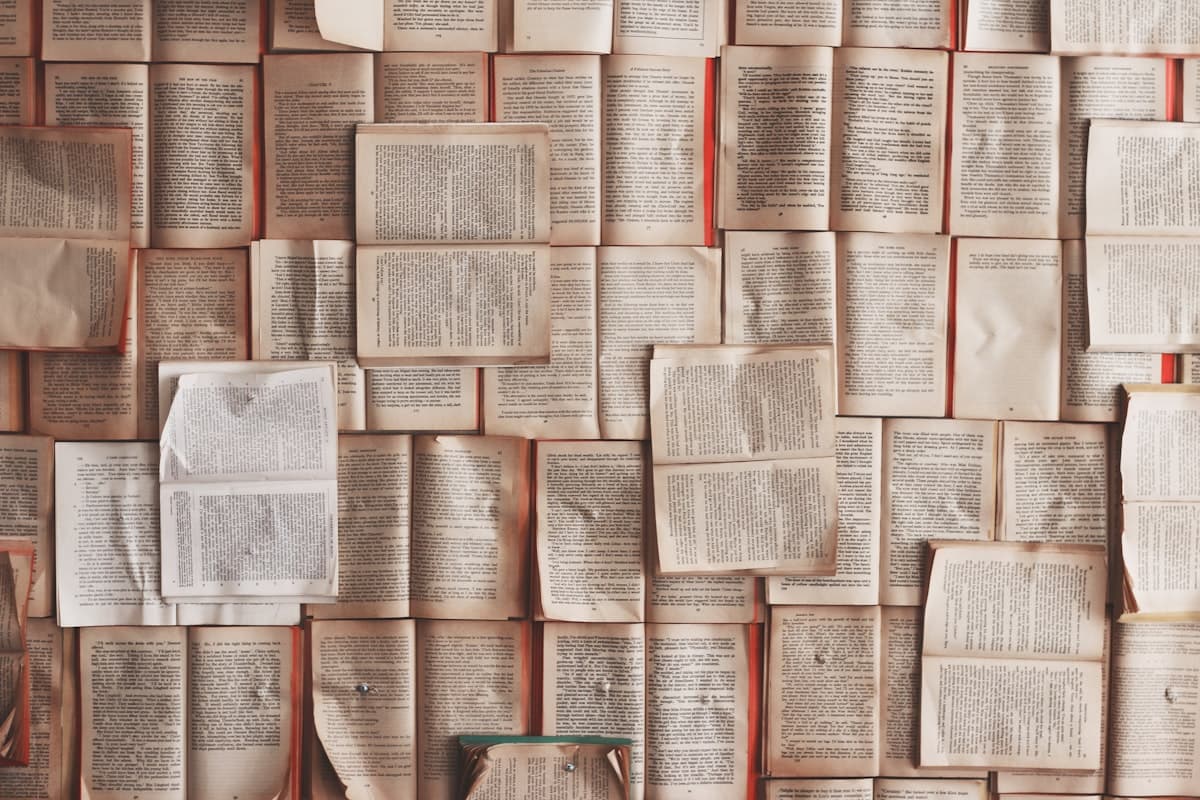
The modern Bookstagram and BookTok communities did not invent the beauty of books; they simply made it visible to millions. Books have reclaimed their role as aesthetic centerpieces in our homes.
A curated bookshelf is an intimate portrait of an individual’s intellectual journey—the dog-eared margins where a passage shattered their assumptions, the vintage cover discovered in a coastal used bookshop, the pristine hardcover received as a gift.
The Path Forward
The future of reading is not a zero-sum war between digital convenience and physical pages. E-readers excel at portability; audiobooks excel during commutes. But when a reader seeks deep immersion, aesthetic reverence, and lasting memory, they invariably return to the spine, the page, and the weight of paper.