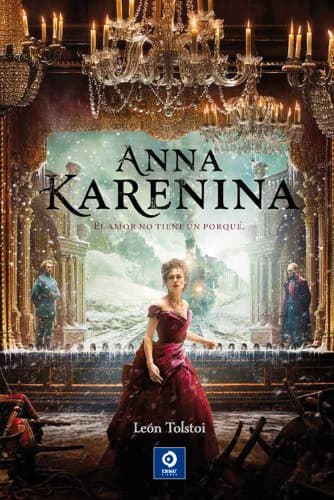
The Premise & Reading Vibe
Leo Tolstoy’s *Anna Karenina* is widely considered one of the greatest novels ever written. Opening with the immortal line 'All happy families are alike; each unhappy family is unhappy in its own way,' it is a sweeping, emotionally devastating exploration of passion, marriage, and societal hypocrisy in imperial Russia.
Anna's Tragic Passion & Levin's Rural Search
The novel balances two contrasting storylines: the tragic, scandalous affair between the radiant aristocrat Anna Karenina and the dashing cavalry officer Count Vronsky, which leads to Anna's social ostracization and spiraling paranoia.
Parallel to Anna's tragedy is the philosophical journey of Konstantin Levin, a thoughtful landowner who seeks meaning through rural agrarian labor, spiritual reflection, and his tender romance with Kitty Shcherbatskaya.
Tolstoy's Unrivaled Psychological Realism
Tolstoy’s genius is his absolute psychological clarity. Whether depicting the sensory thrill of mowing grass with peasants, the electric tension of a Moscow ballroom, or the final agonizing moments at the train station, Tolstoy understands the intricate contradictions of the human soul better than anyone.
Key Highlights & Tropes
The Dual Narrative Structure: Contrasting destructive urban romance with grounded pastoral domesticity.
Societal Double Standards: The brutal hypocrisy of imperial Russian high society toward fallen women.
Train Symbolism: From their fateful first meeting in the snow to the tragic final track.
Levin's Spiritual Epiphany: The pursuit of authentic living beyond intellectual theory.
The Critic's Note
While Anna's story provides the dramatic fireworks, Levin's quiet, introspective chapters form the philosophical soul of the book.
For Fans Of
Essential for lovers of Gustave Flaubert’s *Madame Bovary*, Leo Tolstoy’s *War and Peace*, and Edith Wharton’s *The Age of Innocence*.