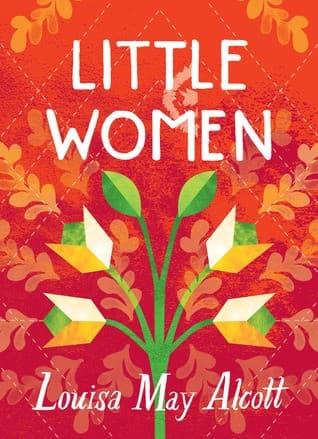
The Premise & Reading Vibe
Louisa May Alcott’s *Little Women* is the ultimate comfort classic of sisterhood, creative ambition, and growing up in Civil War-era New England. With warmth, humor, and emotional depth, it celebrates female agency and familial devotion in Orchard House.
The March Sisters & Their Journeys
With their father away serving as a Union chaplain, the four March sisters navigate genteel poverty under Marmee’s compassionate guidance: practical, romantic Meg; headstrong, aspiring author Jo; gentle, musical Beth; and ambitious, artistic Amy.
Their lively theatricals, cozy parlor evenings, and friendship with the wealthy boy-next-door Laurie (Theodore Laurence) chart the joys and heartaches of transitioning from childhood dreams into adulthood.
Jo March: The Eternal Creative Heroine
Jo March remains one of literature's most inspiring feminist protagonists. Scribbling sensational stories in the garret with ink-stained fingers, rejecting conventional marriage expectations, and selling her 'one beauty' (her hair) to help her family, Jo showed generations of readers that a woman's life could be defined by creative purpose and intellectual passion.
Key Highlights & Tropes
The Four Archetypal Sisters: A masterclass in distinct character dynamics and unconditional sisterly bonds.
The Boy-Next-Door: Laurie’s charming inclusion into the March household and his complex bonds with Jo and Amy.
Cozy Domestic Aesthetics: Snowbound Massachusetts winters, home-staged plays, pickled limes, and garret writing desks.
Bittersweet Heartbreak: The tender, heartbreaking grace surrounding Beth's illness.
The Critic's Note
While Alcott includes Victorian moral lessons suited to her era, Jo's fiery independence, razor-sharp dialogue, and refusal to conform give the story a remarkably modern energy.
For Fans Of
Cherished by readers of L.M. Montgomery’s *Anne of Green Gables*, Frances Hodgson Burnett’s *The Secret Garden*, and Greta Gerwig’s cinematic adaptations.