The Premise & Reading Vibe
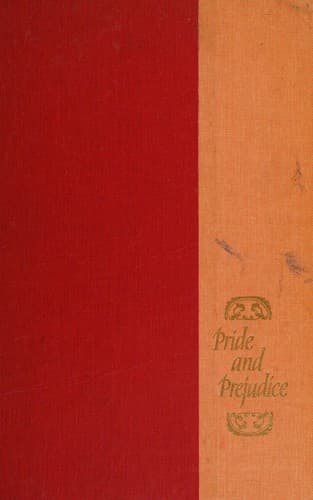
Jane Austen’s *Pride and Prejudice* is the undisputed blueprint for enemies-to-lovers romance and social comedy. Set in Regency-era rural England, it combines sparkling wit, sharp class satire, and emotional growth to tell the story of Elizabeth Bennet and Mr. Fitzwilliam Darcy as they navigate misunderstandings, social pressures, and their own stubborn egos.
The Narrative & The Dance of Wits
When the wealthy, affable Mr. Bingley leases Netherfield Park, the Bennet family—burdened by an entailed estate and Mrs. Bennet’s frantic matchmaking—is thrown into excitement. But Bingley is accompanied by his aristocratic friend Mr. Darcy, whose aloof pride and haughty dismissal of Elizabeth at a local ball spark her immediate disdain.
What follows is a brilliant war of wits. Elizabeth misjudges Darcy's character based on charming lies from the deceitful George Wickham, while Darcy finds himself captivated by Elizabeth’s fine eyes, sharp intellect, and refusal to flatter him.
Character Evolution & Mutual Respect
Unlike modern romances that rely on arbitrary miscommunication, Austen's conflict is rooted in genuine character flaws. Darcy must overcome his aristocratic pride and learn genuine humility; Elizabeth must acknowledge that her quick wit blinded her to her own vanity and prejudice.
Darcy's disastrously arrogant first proposal at Hunsford and the transformative letter that follows remain one of the greatest turning points in literary history, leading up to Elizabeth’s breathless visit to the majestic Pemberley estate.
Key Highlights & Tropes
The Archetypal Enemies-to-Lovers: Sizzling verbal sparring, slow-burn tension, and deep mutual respect.
Iconic Supporting Cast: The theatrical hysterics of Mrs. Bennet, the quiet irony of Mr. Bennet, and the insufferable obsequiousness of Mr. Collins.
Sparkling Dialogue: Austen’s irony and sentence cadence make every drawing-room interaction electrifying.
Socioeconomic Stakes: Realistic depiction of the precarious financial position of 19th-century women without inheritance.
The Critic's Note
First-time readers unaccustomed to 19th-century syntax may take two or three chapters to settle into Austen’s rhythmic prose, but once attuned to her sharp humor and irony, the book reads like a witty, fast-paced modern comedy.
For Fans Of
A foundational classic for fans of Emily Henry’s *Beach Read*, Sally Thorne’s *The Hating Game*, and Julia Quinn’s *Bridgerton* series.