The Premise & Reading Vibe
F. Scott Fitzgerald’s *The Great Gatsby* is the definitive portrait of the Roaring Twenties—a glittering, tragic, and intensely lyrical critique of wealth, obsession, and the illusion of the American Dream. Set across the sweltering summer of 1922 on Long Island, the novel contrasts the hollow hedonism of old money with the desperate romanticism of self-made excess.
The Narrative & The Green Light
Narrated by the Midwestern transplant Nick Carraway, the story revolves around his mysterious neighbor Jay Gatsby, who throws extravagant, champagne-soaked weekend parties at his West Egg mansion. But Gatsby's grand spectacle exists for a single purpose: to catch the attention of Daisy Buchanan, the lost love of his youth now married to the brutal, aristocratic Tom Buchanan.
As Nick facilitates a secret reunion between the former lovers, the glittering facade begins to crumble, culminating in the stifling confrontation at the Plaza Hotel and a tragic hit-and-run on the road through the desolate Valley of Ashes.
Prose Perfection & Cynical Grace
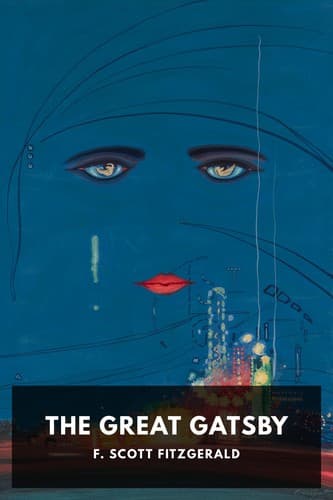
At under two hundred pages, *The Great Gatsby* features some of the most luminous prose in the English language. Fitzgerald writes with a hypnotic rhythm—capturing silk shirts tumbling in cascades, moonlight shimmering across swimming pools, and the haunting, giant eyes of Doctor T.J. Eckleburg staring down from a faded billboard. Nick's observation remains immortal: 'They were careless people, Tom and Daisy—they smashed up things and creatures and then retreated back into their money or their vast carelessness.'
Key Highlights & Tropes
Unrequited Romantic Obsession: Gatsby’s tragic attempt to recreate the past: 'Can't repeat the past? Why of course you can!'
Jazz Age Aesthetic: Decadent parties, orchestra music, flappers, and the roaring energy of 1920s New York.
Class & Moral Decay: The stark divide between East Egg (old inherited wealth) and West Egg (ostentatious new money).
Lyrical Precision: Every chapter contains indelible quotes that define longing, ambition, and disillusionment.
The Critic's Note
Readers expecting likeable characters may struggle; almost everyone in Gatsby’s circle is shallow, self-serving, or dishonest. The novel's brilliance lies precisely in Nick’s observant, melancholy detachment as he watches their world unravel.
For Fans Of
Essential for admirers of Evelyn Waugh's *Brideshead Revisited*, Nella Larsen's *Passing*, and Taylor Jenkins Reid's *The Seven Husbands of Evelyn Hugo*.