The Premise & Reading Vibe
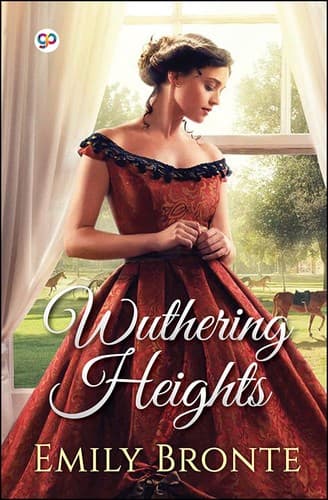
Emily Brontë’s *Wuthering Heights* is a tempestuous, untamed Gothic masterpiece set on the desolate, wind-scoured Yorkshire moors. It is not a gentle romance, but a feral, generational tale of destructive obsession, cruelty, and spectral longing.
Heathcliff & Catherine: A Feral Bond
Framed through the domestic recollections of housekeeper Nelly Dean to the naive visitor Lockwood, the story charts the savage bond between Catherine Earnshaw and the foundling Heathcliff.
When Catherine chooses the polished social prestige of Edgar Linton at Thrushcross Grange over her wild soulmate ('Whatever our souls are made of, his and mine are the same'), Heathcliff vanishes—only to return as a wealthy, vindictive force hell-bent on systematically destroying two generations of both families.
Atmospheric Moors & The Ghost at the Window
Brontë’s imagery is wild, elemental, and supernatural. From Catherine's icy ghost scraping her knuckles against the window glass to Heathcliff digging up her grave under the moonlight, the novel possesses a raw, untamable energy unlike anything else in Victorian literature.
Key Highlights & Tropes
The Wild Moors Aesthetic: Howling winds, heather-covered crags, and isolated stone manors.
Dark Morally Grey Anti-Hero: Heathcliff’s terrifying, relentless transformation into a vengeful landlord.
Generational Curses & Healing: The contrast between the tragic first generation and the quiet redemption of the second.
Haunting Supernatural Undertones: Love that transcends physical death and boundaries of sanity.
The Critic's Note
Readers expecting a cozy period romance may be shocked by the characters' ferocious cruelty. The novel is best appreciated as a psychological tragedy about untamed passions consuming civilization.
For Fans Of
Essential for readers of Charlotte Brontë’s *Jane Eyre*, Daphne du Maurier’s *Jamaica Inn*, and V.C. Andrews’ Gothic family sagas.