Visual Hooks and Micro-Tropes: Crafting Bookstagram Assets That Convert
Readers on Instagram do not browse by plot summary. They browse by feeling. A reader scrolling at speed is not asking "what is this book about" — they are asking, without putting it into words, "is this for me?" You have roughly a second to answer.
That is the whole problem of Bookstagram promotion in one sentence, and it is why so much author marketing fails. A cover, a blurb and a buy link answers a question nobody asked.
What a hook actually is
A hook is not a tagline and it is not a summary. It is the smallest unit of your book that makes a stranger want the next piece of information.
Three things make one work.
1. The core dynamic
Readers in a genre navigate by tropes, and they do it deliberately. Someone who loves enemies-to-lovers is actively hunting for it. Naming the dynamic is not reducing your book to a formula — it is telling the right reader that the thing they are looking for is here.
"A fantasy about loyalty and loss" tells a reader nothing. "Two rival court mages, one archive, and a secret that ruins them both" tells a reader exactly whether to stop scrolling.
2. The visual atmosphere
The image has to agree with the words. A dark academia novel photographed in bright daylight against a white wall sends two contradictory signals, and the reader resolves the contradiction by scrolling on.
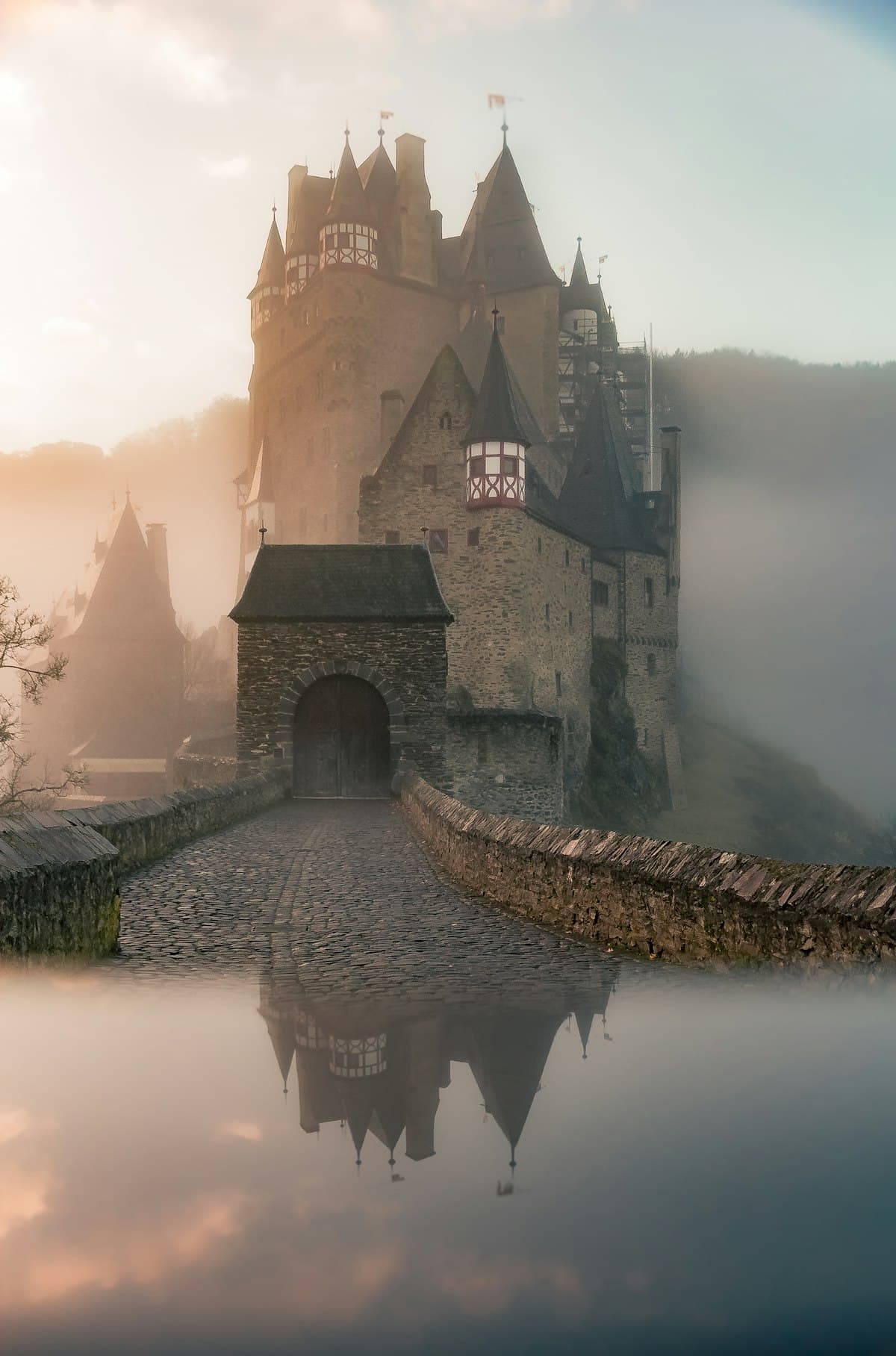
Atmosphere is mostly color and light. Warm, low light reads as intimate and romantic. Cold, high-contrast reads as tense. Muted and overcast reads as literary and melancholy. Readers process this before they read a single word.
3. The unresolved question
End on something open. Not a cliffhanger in the cheap sense, but a question the reader cannot answer from the post alone. The purchase is the answer.
Why one post is worth almost nothing
Authors routinely post once, see little, and conclude the platform does not work for books. What actually happened is that one post reached a slice of an audience once, in a feed built around repetition and familiarity.
Readers rarely act the first time they see a book. They act the third or fourth time, once it has moved from unfamiliar to half-known. This is why a campaign is a sequence rather than an announcement, and why the launch strategy matters more than any individual asset.
Building a hook library
Rather than inventing a new angle per post, pull five or six from the book and rotate them. Most novels yield more than you would expect:
- The premise hook — the dynamic above, stated plainly
- The line hook — one sentence of your own prose that lands cold, with no setup
- The character hook — a want and the thing standing in its way
- The atmosphere hook — place and mood, no plot at all
- The comparison hook — "for readers of X and Y", which is doing positioning work, not borrowing credit
- The question hook — the moral problem at the center of the book
Rotating these keeps a weeks-long campaign from sounding like one sentence repeated, while still saying one coherent thing about the book.
Where the hook is not the whole job
A hook earns attention. It does not, by itself, earn trust. A reader who stops scrolling still has to believe the book is worth their evening, and your own enthusiasm cannot supply that — you are the author, and they know it.
That is the work editorial reviews do: something a reader can point at that is not the author's own claim. Hooks and reviews operate on different parts of the decision, and campaigns that use only one tend to stall.
The honest limit
A good hook cannot make a book find an audience that does not exist. If a book is genuinely between genres, or written for a readership that is not on Instagram, no amount of craft in the asset fixes that. Positioning is the first stage of any campaign for exactly this reason — it is better to learn it early than after six weeks of content.
What a hook does, reliably, is make sure the readers who would love your book get a fair chance to notice it. That is not everything. It is the part most books never get.