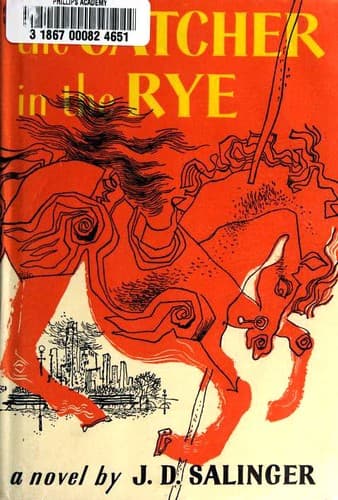
The Premise & Reading Vibe
J.D. Salinger’s *The Catcher in the Rye* remains one of the most raw, iconic, and polarizing coming-of-age novels ever written. Narrated from a rest home by sixteen-year-old Holden Caulfield, the story recounts forty-eight hours of wandering through freezing New York City following his expulsion from Pencey Prep.
The Narrative & The Search for Authenticity
Rather than a traditional plot, the novel is an immersive stream-of-consciousness journey through 1950s Manhattan—grand hotel lobbies, smoke-filled jazz clubs, Central Park duck ponds, and late-night cab rides.
Holden rail against the 'phoniness' of the adult world, constantly searching for something genuine. Yet behind his sharp cynical banter lies a traumatized boy grieving the death of his younger brother Allie, terrified of growing up, and desperate for human connection while simultaneously pushing everyone away.
Voice, Vulnerability & The Red Hunting Hat
Salinger’s genius lies in Holden’s unforgettable colloquial voice—his repetitive slang, breathless tangents, and sudden flashes of heartbreaking vulnerability. His relationship with his wise ten-year-old sister Phoebe provides the story's emotional anchor. In his famous confession, Holden reveals his impossible dream: to stand at the edge of a cliff in a field of rye, catching children before they fall into adulthood.
The scene at the Central Park carousel as Phoebe reaches for the gold ring in the pouring rain is one of the most tender, cathartic climaxes in modern literature.
Key Highlights & Themes
Raw Adolescent Voice: Salinger captures the exact cadence of teenage alienation, anxiety, and longing.
Grief Beneath Cynicism: An authentic psychological portrait of unaddressed loss and depression.
Preserving Childhood Innocence: Holden's iconic metaphor of the 'catcher in the rye'.
Atmospheric 1950s NYC: A nocturnal, snowy metropolis depicted through lonely diners, neon-lit cab rides, and hotel hallways.
The Critic's Note
Holden's voice is intentionally unreliable and contradictory; readers looking for a structured adventure may find his complaining grating if they miss the underlying grief driving his behavior. It is a character study best read with empathy.
For Fans Of
Essential for readers of Stephen Chbosky’s *The Perks of Being a Wallflower*, John Green’s *Looking for Alaska*, and John Knowles’ *A Separate Peace*.