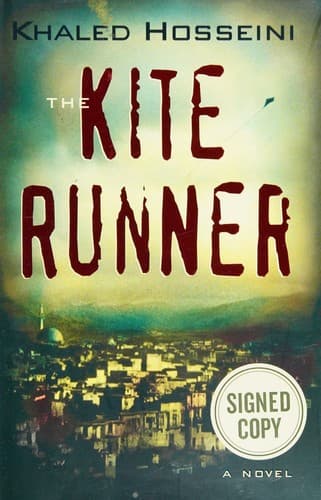
The Premise & Reading Vibe
Khaled Hosseini’s *The Kite Runner* is an emotionally shattering, exquisitely rendered story of friendship, guilt, and the long road to redemption against the backdrop of Afghanistan's turbulent modern history.
Kabul, Betrayal & The Road to Redemption
Set in 1970s Kabul, the story centers on Amir, the privileged Pashtun son of a wealthy merchant, and Hassan, the loyal Hazara servant's son who would do anything for him: 'For you, a thousand times over.'
When Amir wins the prestigious winter kite-fighting tournament, a devastating act of violence occurs in an alleyway—and Amir, paralyzed by cowardice, watches silently from the shadows. That betrayal haunts Amir across decades of exile in California until a telephone call summons him back to Taliban-controlled Kabul: 'There is a way to be good again.'
Emotional Power & Afghan Heritage
Hosseini paints a vibrant portrait of pre-war Afghanistan—scents of pomegranate trees, bustling bazaars, and glass-stringed kites floating above the snow—before chronicling its destruction. The emotional weight of Amir’s redemption journey to save Hassan’s orphaned son Sohrab produces some of the most tear-inducing scenes in contemporary fiction.
Key Highlights & Tropes
The Weight of Unspoken Guilt: A masterclass in how a single childhood moral failure can shape an entire lifetime.
Father-Son Dynamics: Amir’s desperate yearning for the approval of his imposing, noble father, Baba.
Kite-Fighting as Symbol: The thrill of triumph intertwined with the tragic cost of betrayal.
Full-Circle Redemption: Flying a kite again in Golden Gate Park, honoring an unbroken bond.
The Critic's Note
The novel contains raw, traumatic themes and intense emotional hardship, but every painful trial serves Amir’s necessary moral resurrection.
For Fans Of
Essential for readers of Khaled Hosseini’s *A Thousand Splendid Suns*, Chimamanda Ngozi Adichie’s *Half of a Yellow Sun*, and Abraham Verghese’s *Cutting for Stone*.