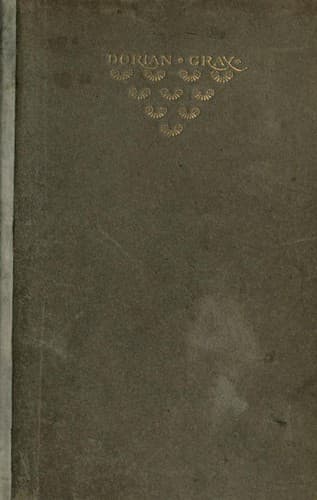
The Premise & Reading Vibe
Oscar Wilde’s *The Picture of Dorian Gray* is a decadently aesthetic, chilling Gothic tragedy exploring vanity, moral corruption, and the consequences of living purely for hedonistic pleasure in Victorian high society.
The Faustian Bargain & The Hidden Portrait
Captivated by his own breathtaking portrait painted by the artist Basil Hallward, the young and innocent Dorian Gray makes an impulsive wish: that he might stay eternally youthful while the painting ages in his place.
Under the cynical, hedonistic mentorship of Lord Henry Wotton, Dorian indulges in increasingly depraved pleasures and cruel betrayals. While Dorian remains radiantly untouched by time or sin, his locked portrait rots in an attic room, morphing into a hideous, decaying reflection of his corrupted soul.
Wilde’s Epigrammatic Wit & Dark Psychology
Wilde’s prose glitter with razor-sharp paradoxes and aesthetic philosophy ('The only way to get rid of a temptation is to yield to it'). Beneath the exquisite London drawing-rooms and opium dens lies a terrifying psychological study of guilt, narcissism, and the impossibility of escaping one's conscience.
Key Highlights & Tropes
The Decaying Portrait: One of the most iconic Gothic motifs in world literature.
Lord Henry's Seductive Philosophy: Toxic aestheticism delivered through brilliant, cynical epigrams.
Sibyl Vane’s Tragedy: The heartbreaking consequences of treating real human love as mere artistic entertainment.
Gothic Escalation: Blackmail, murder in the studio, and the desperate descent into London's criminal underworld.
The Critic's Note
Chapter 11 contains an extended catalogue of jewels, perfumes, and tapestries that reflects the Decadent movement; modern readers can skim its decorative excess without losing the gripping plot momentum.
For Fans Of
Must-read for admirers of Mary Shelley’s *Frankenstein*, Bram Stoker’s *Dracula*, and Donna Tartt’s *The Secret History*.