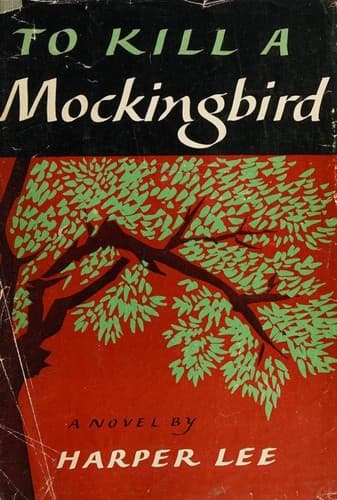
The Premise & Reading Vibe
Harper Lee’s Pulitzer Prize-winning masterpiece *To Kill a Mockingbird* is a luminous, compassionate Southern gothic coming-of-age story. Set in the fictional town of Maycomb, Alabama during the Great Depression, the novel examines the fragility of justice, systemic racism, and the preservation of empathy through the innocent eyes of six-year-old Jean Louise 'Scout' Finch.
The Narrative & Dual Arcs
The narrative masterfully intertwines two distinct threads: the childhood fascination with the reclusive, phantom-like Boo Radley, and the explosive courtroom trial of Tom Robinson, a Black man falsely accused of assaulting a white woman.
Scout’s father, the principled lawyer Atticus Finch, takes on Tom’s defense despite the fierce hostility of the segregated town. The trial serves as a crucible that shatters Scout and her brother Jem’s naive belief in adult fairness, forcing them to confront human cruelty alongside genuine courage.
Voice, Atmosphere & Character Depth
What elevates the novel is Scout's unforgettable narrative voice—warm, humorous, fiercely inquisitive, and completely unpretentious. Lee captures the lazy rhythm of 1930s Southern summers (creaky front porches, tire swings, summer lemonade) alongside the simmering social fractures beneath Maycomb's genteel surface. Atticus remains one of literature's most enduring figures of moral integrity: 'You never really understand a person until you consider things from his point of view… until you climb into his skin and walk around in it.'
Key Highlights & Themes
The Mockingbird Symbol: A poignant motif representing the sin of harming innocent creatures who bring only music to the world.
Loss of Innocence: Jem’s heartbreaking awakening to adult hypocrisy and societal prejudice.
The Boo Radley Mystery: A brilliant parallel storyline that transforms childhood folklore into a touching tale of quiet, protective friendship.
Tense Courtroom Drama: Chapter-by-chapter cross-examinations that remain among the most compelling legal scenes in American literature.
The Critic's Note
The first third of the novel is a nostalgic, episodic journey through childhood antics that may feel leisurely, but every neighbor and local rumor established in these early chapters pays off during the high-stakes second half and the heart-pounding Halloween climax.
For Fans Of
Must-read for lovers of Betty Smith’s *A Tree Grows in Brooklyn*, Sue Monk Kidd’s *The Secret Life of Bees*, and Jesmyn Ward’s *Sing, Unburied, Sing*.